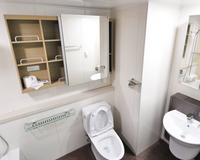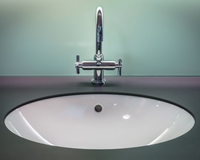

You know the feeling when you walk into a well-designed space. The flow works, the lighting feels right, and everything sits exactly where you expect it. When that space is a commercial restroom, the stakes get even higher. We often treat these areas as afterthoughts in the grand scheme of architectural design, yet they remain one of the most visited and scrutinized parts of any building. A poorly planned restroom frustrates users, creates maintenance headaches, and can even tarnish a business’s reputation before a client even shakes a hand.
In new construction, you have a blank canvas. This blank canvas offers a rare opportunity to get things right from the plumbing rough-in to the final mirror installation. You can solve problems before they exist, anticipate high-traffic needs, and integrate modern standards that will keep the facility relevant for decades. Thoughtful planning here does more than just meet codes; it signals to every visitor that you value their comfort and safety. Let’s explore tips for planning commercial restrooms for new construction.
Designing for Accessibility and Inclusion
We cannot talk about modern construction without addressing the Americans with Disabilities Act (ADA). Compliance is not a suggestion; it represents a legal requirement and a moral imperative to create inclusive spaces. When you design for accessibility from day one, you avoid costly retrofits later.
Start by looking at your turning radii. A wheelchair user needs a clear floor space of at least 60 inches in diameter to make a 180-degree turn. You must also consider door swings. Doors should never swing into the clear floor space required for any fixture. If a user cannot close the stall door once they are inside, the design has failed.
Grab bars also demand careful placement. You need them behind and to the side of the toilet, mounted at the correct height to support weight effectively. The toilet itself must sit at a specific distance from the wall to allow for safe transfers. Even sink height matters. You must install lavatories with enough knee clearance for a wheelchair to slide underneath, while protecting legs from hot pipes with proper insulation.
Beyond the letter of the law, consider the spirit of inclusion. Installing shelves for personal items, providing hooks at accessible heights, and ensuring that dispensers require minimal force to operate all contribute to a truly usable environment. When you prioritize these details, you create a facility that welcomes everyone.

Selecting the Right Fixtures
Your choice of fixtures defines the user experience and the long-term maintenance schedule. Commercial environments face abuse that residential gear simply cannot handle. You need durability, but you also want style.
Toilets and urinals serve as the workhorses of the room. Wall-hung toilets make floor cleaning significantly easier because a mop can pass right underneath. This seemingly small decision saves your janitorial staff hours of labor over the building’s lifespan. Flush valves also play a huge role. Manual valves are reliable, but sensor-operated flushometers improve hygiene and reduce odors by guaranteeing a flush after every use.
Sink selection requires a balance between depth and splash control. If a basin is too shallow, water ends up on the floor, creating a slip hazard. If it is too deep, it might compromise ADA knee clearance. Pair your sink with a faucet that matches the basin’s geometry. A faucet that extends too far or not far enough causes splashing and frustration.
Soap dispensers often act as the primary pain point in restroom maintenance. Built-in, deck-mounted dispensers look sleek but can be challenging to refill if the under-sink area is cramped. Wall-mounted units are generally easier to service. You should check the capacity of these units carefully. High-traffic areas need large reservoirs to prevent empty dispensers during a lunch rush.
Hand drying options spark endless debates. Paper towels offer speed and effectiveness but generate waste and require constant restocking. High-speed hand dryers eliminate the paper mess and reduce operating costs, though they do increase noise levels. Many facilities now opt for a hybrid approach, offering both options to satisfy user preferences.
When you source your equipment, looking for reputable commercial restroom products ensures you get warranties and replacement parts when you need them. Investing in quality upfront pays dividends in reduced downtime.
Layout Strategies for Traffic and Privacy
A great layout manages flow seamlessly. You want to avoid bottlenecks where people entering the restroom collide with those washing their hands or leaving.
Consider the sightlines first. No one wants the interior of the restroom visible from the hallway when the door opens. You can solve this with a maze entrance design, which eliminates doors entirely and uses privacy walls to block the view. This design also removes a major touchpoint, improving hygiene instantly.
Inside the restroom, separate the wet and dry zones. Place the sinks near the exit so users can wash, dry, and leave without retracing their steps back into the stall area. This linear progression keeps traffic moving efficiently.
Privacy also deserves attention. American stalls are notorious for large gaps between doors and pilasters. You can specify partitions with privacy strips or choose floor-to-ceiling mounting styles that eliminate these gaps. Material choice matters here, too. Powder-coated steel offers an economical choice, but solid plastic or phenolic core partitions withstand moisture and vandalism much better. For a high-end look, stainless steel or solid surface materials elevate the entire aesthetic.
Do not forget the accessories that are actually necessities. Every stall needs a coat hook. Every sink area needs a trash receptacle, ideally recessed into the wall to save floor space. Place baby changing stations out of the main traffic path so a parent can care for their child without blocking the walkway.
Prioritizing Hygiene Through Touchless Technology
The public has become hyper-aware of surface contamination. Touchless technology addresses this anxiety directly. When users can navigate the entire restroom visit without touching a handle, button, or lever, their satisfaction scores soar.
Automated faucets are the standard now. They save water by running only when hands are present and eliminate the bacterial cross-contamination found on manual handles. Look for models with line purging features that prevent stagnant water in the pipes, further boosting hygiene.
Extend this touchless philosophy to soap dispensers, flush valves, and paper towel dispensers. Even the exit door can benefit from an automated opener or a foot-operated pull.
Sensor technology has improved dramatically. Older units often frustrated users with "ghost" flushes or failure to detect hands. Modern sensors use adaptive infrared or capacitance technology for precise detection. Some systems even generate their own power through the flow of water, removing the need for battery changes.
Cleanliness goes beyond technology. It involves surface materials, too. Non-porous surfaces like quartz or solid surface vanity tops resist bacteria growth and clean up easily. Grout lines on floors trap dirt and odors, so consider using large-format tiles or seamless epoxy flooring to maintain a sanitary environment.

Sustainability and Efficiency Considerations
New construction offers the perfect moment to lock in sustainability. Water conservation saves money and helps the environment.
High-efficiency toilets (HETs) and ultra-low-flow urinals reduce water consumption drastically without sacrificing performance. Old toilets used 3.5 gallons per flush; modern HETs use 1.28 gallons or less. Waterless urinals save even more, though they require specific maintenance protocols to function correctly.
Think about waste reduction. If you choose paper towels, dispensers that cut specific lengths or dispense one towel at a time reduce overuse. If you choose hand dryers, look for energy-efficient models that dry hands in 12 seconds using a fraction of the power of older conventional dryers.
Lighting controls also contribute to efficiency. Occupancy sensors ensure lights turn off when the room is empty. LED fixtures provide bright, clean light while consuming minimal electricity and requiring infrequent bulb replacements.
Building for the Future
The decisions you make during the planning phase dictate how your building functions for years to come. A new construction commercial restroom should withstand heavy use, support easy cleaning, and provide a dignified experience for every user.
By focusing on ADA compliance, selecting robust fixtures, optimizing the layout, embracing touchless tech, and committing to sustainability, you create a facility that works. You avoid the complaints, the leaks, and the expensive renovations down the road. You demonstrate that your building cares about the details.
Take the time to review your specs. Walk through the plans mentally as a user. Would you feel comfortable? Would you feel safe? If the answer is yes, you are on the right track.