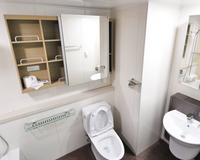

Walk into a modern commercial restroom today, and you likely experience a seamless, almost futuristic environment. Motion sensors trigger the flush, soap dispenses automatically, and air blasts the water from your hands without you ever touching a surface. We often take these sanitary conveniences for granted, but the path to this level of cleanliness proved long, complex, and full of innovation. Public health and business reputation rely heavily on how we manage these spaces. Yet, few people stop to consider the centuries of engineering and cultural shifts that shaped the modern lavatory. Continue reading to explore the evolution of hygiene standards in restrooms.
Ancient Beginnings and the Birth of Plumbing
Hygiene practices looked vastly different in the ancient world than they do today. The Romans, famous for their engineering prowess, constructed the Cloaca Maxima, one of the world’s earliest sewage systems. However, their public latrines lacked privacy and basic sanitation. People sat side by side on stone benches, often socializing while doing their business, with running water beneath them carrying waste away. They used a shared sponge on a stick, dipped in vinegar, for cleaning—a far cry from modern standards.
Centuries later, the Middle Ages saw a regression in sanitation infrastructure. People relied on chamber pots, which they emptied into streets, creating breeding grounds for disease. The concept of a dedicated, private room for bodily functions did not exist for the common person. Only with the Industrial Revolution and the widespread acceptance of the germ theory of disease did society begin to prioritize indoor plumbing. This shift marked a turning point, moving waste management out of the open streets and into contained, sanitary systems, laying the groundwork for the modern restroom.
Innovations That Changed the Restroom Experience
As plumbing moved indoors, the fixtures and supplies we use evolved alongside it.
Toilet Paper
Toilet paper, a staple we cannot imagine living without, has a surprisingly recent history. For centuries, people used whatever materials lay at hand, including leaves, moss, corn cobs, or old newspapers. It wasn’t until the mid-19th century that commercially available toilet paper appeared, and even then, splinters remained a common issue until manufacturing processes improved.
Soap
Soap followed a similar trajectory. While ancient civilizations produced soap-like substances, the widespread use of soap for hand hygiene in public spaces is a modern development. Early public restrooms used bar soap, which often sat in murky water dishes and became a vector for germs. The invention of liquid soap and the pump dispenser revolutionized handwashing by providing a fresh dose of cleanser for every user, drastically reducing cross-contamination.

Hand Drying
Hand-drying technology has also advanced hygiene. Before paper towels, cloth roller towels were the norm, defeating the purpose of washing hands. The introduction of disposable paper towels offered a cleaner alternative, but they created significant waste. This challenge spurred the invention of electric hand dryers. While early models lacked power and took too long, modern high-speed dryers now remove moisture in seconds, reducing waste and keeping washrooms tidier.
The Touchless Revolution
The most significant leap in modern hygiene standards involves the removal of touchpoints. Touch-free technology has transformed the restroom from a high-contact zone into a hands-off experience. Infrared sensors now control faucets, soap dispensers, and flush valves. This shift eliminates the need to touch handles or buttons that hundreds of others have used, breaking the chain of germ transmission.
Beyond fixtures, air purification has become a priority. Advanced systems now scrub the air of particulates and odors, creating a more pleasant, healthier environment. Some facilities even employ sanitizing mists that coat surfaces after hours, neutralizing bacteria and viruses. Smart monitoring systems represent the next frontier, alerting custodial staff when supplies run low or when a fixture malfunctions. This proactive approach guarantees that a restroom remains fully stocked and operational, preventing the messy, unhygienic conditions that often result from neglect.
The Critical Role of Fixtures and Dispensers
While high-tech sensors grab the headlines, the physical hardware in a restroom plays an equally vital role in maintaining cleanliness. One specific fixture often goes unnoticed until you need it: the toilet seat cover dispenser. These units provide a physical barrier between the user and the toilet seat, offering peace of mind and an added layer of protection.
Manufacturers have developed various styles to suit different architectural needs and design aesthetics. Brands lead the market with durable options that integrate seamlessly into commercial spaces. You will find two primary mounting styles: recessed and surface-mounted.
Recessed dispensers tuck neatly into the wall. This design saves space and creates a sleek, flush appearance, making it harder for dust to accumulate on top of the unit. Surface-mounted options attach directly to the wall or partition. These prove easier to install in existing restrooms where cutting into the wall isn’t feasible.
These dispensers also come in various finishes to match modern decor. While standard stainless steel remains popular for its durability and ease of cleaning, trends now lean toward matte black or satin finishes. A matte black dispenser adds a touch of sophistication to an upscale restaurant or office, proving that hygiene equipment can also contribute to interior design. Whether a facility chooses a high-capacity model holding 500 covers or a smaller 250-capacity unit, the presence of these dispensers signals to visitors that the establishment cares about their comfort and health.

Maintaining Standards Through Protocols
Even the most advanced technology fails without consistent maintenance. Establishing rigorous cleaning protocols keeps restrooms safe and inviting. Custodial teams must adhere to strict schedules and frequently disinfect high-touch surfaces such as door handles and stall latches. Deep cleaning should occur daily, tackling grout lines and hard-to-reach corners where bacteria hide.
Waste management also dictates hygiene levels. Overflowing trash bins look unsightly and can attract pests and create bad odors. Facilities must provide adequate waste receptacles, particularly near exits, so users can discard paper towels used to open doors. Furthermore, education plays a part. Clear signage reminding employees and visitors to wash their hands and report maintenance issues fosters a culture of shared responsibility.
Looking Toward a Sustainable Future
The future of restroom hygiene leans heavily toward sustainability without compromising cleanliness. Water conservation stands at the forefront, with low-flow toilets and faucets becoming mandatory in many regions. Manufacturers are developing fully biodegradable consumables and fixtures made from recycled materials to reduce the environmental footprint of these spaces.
Public health crises inevitably reshape our expectations. The heightened awareness of viral transmission has accelerated the adoption of antimicrobial surfaces. Materials like copper and silver-ion coatings, which naturally kill bacteria, are finding their way into door hardware and fixture finishes. We can expect to see greater integration of IoT (Internet of Things) technologies, with dispensers communicating usage data to cloud systems to optimize refill routes and reduce unnecessary labor.
Closing Thoughts
From the communal stone benches of ancient Rome to the sleek, sensor-driven facilities of today, restroom hygiene has undergone a remarkable transformation. Society moved from rudimentary waste disposal to sophisticated systems that prioritize individual health and comfort. The introduction of indoor plumbing, the refinement of paper products, and the advent of touchless technology all contributed to the high standards we enjoy today.
Facilities managers and business owners must recognize that a clean restroom reflects the values of the entire organization. Investing in quality fixtures demonstrates a commitment to user well-being. As technology advances and sustainability becomes imperative, the restroom will continue to evolve, offering safer, cleaner, and more efficient experiences for everyone.