
Finding a clean, safe place to change a baby’s diaper is a fundamental need for any parent or caregiver on the go. Yet, many public restrooms lack this basic amenity. The absence of a baby changing station creates significant challenges for families, forcing them into unsanitary and often unsafe situations. Providing this simple feature is more than a convenience; it is a mark of a modern, inclusive, and family-friendly establishment. Businesses and public facilities that install changing stations demonstrate a commitment to serving all members of their community, which ultimately benefits everyone.
This article will explore the importance of having baby changing stations in all public restrooms. We will discuss the direct benefits for parents and caregivers, from safety to inclusivity. We will also examine the compelling advantages for businesses, such as increased customer loyalty and an enhanced public image. We will also touch upon the legal standards and regulations that often govern the installation of these facilities. By understanding these aspects, business owners and facility managers can make informed decisions that support families and foster a welcoming environment for all patrons.

Benefits for Parents and Caregivers
The inclusion of baby changing stations in public restrooms provides immediate and tangible benefits for parents and caregivers, directly impacting their well-being and their children’s safety. These facilities are not a luxury but a necessity for anyone caring for an infant or toddler away from home.
Safe Surface
First and foremost, a designated changing station offers a safe and hygienic surface for diaper changes. Without one, caregivers have to improvise, using restroom floors, countertops, or even the back seat of their car. These alternatives are far from ideal. Public restroom floors are notoriously unsanitary, exposing infants to a host of germs and bacteria. Countertops, while seemingly cleaner, can be wet, hard, and located at an unsafe height.
Changing a baby in a vehicle presents its own set of risks, including a lack of privacy, exposure to the elements, and potential security concerns in a public parking lot. A properly installed changing station is designed specifically for this task, offering a clean, stable, and secure platform with safety straps to keep the baby in place.
Convenience
There’s no overstating the convenience that a changing station provides. A quick trip to the store can become a stressful ordeal if a diaper needs to be changed and there are no suitable facilities available. Parents may have to cut their visit short, abandoning their shopping or meal to return home. This inconvenience not only disrupts their day but also discourages them from patronizing businesses that do not accommodate their needs.
When a restroom offers a changing station, caregivers can attend to their child’s needs quickly and efficiently, allowing them to continue with their activities without major interruption. This small feature makes a significant difference in the overall experience for families.
Inclusivity
Beyond safety and convenience, providing changing stations is a powerful statement of inclusivity. Historically, these facilities were often found only in women’s restrooms, reinforcing outdated gender roles and placing the burden of childcare solely on mothers. This oversight ignores the reality that fathers, grandparents, and other male caregivers are equally involved in raising children.
A modern approach requires placing changing stations in both men’s and women’s restrooms, as well as in family restrooms where available. This practice acknowledges and supports the shared responsibilities of parenting. It sends a clear message that all caregivers are welcome and valued. When a father can comfortably change his baby’s diaper, it normalizes his role and promotes a more equitable distribution of childcare duties.

Advantages for Businesses
Installing baby changing stations is not just a gesture of goodwill; it is a smart business decision with a clear return on investment. Businesses that cater to the needs of families can cultivate a loyal customer base and gain a significant competitive advantage.
Improved Customer Loyalty
One of the most immediate benefits is increased customer loyalty. Parents remember the places that make their lives easier. When a restaurant, retail store, or entertainment venue provides clean and accessible changing facilities, it leaves a lasting positive impression. Families are more likely to return to establishments where they feel welcome and the place meets their needs.
This loyalty translates into repeat business and positive word-of-mouth recommendations, both of which are invaluable to any company. A family that has a positive experience is likely to share it with friends, family, and on social media, effectively becoming brand ambassadors.
Attract More Families
Attracting the family demographic is another key advantage. Families with young children represent a substantial market segment with significant spending power. However, the availability of family-friendly amenities influences where families shop, dine, and spend their leisure time. A business without a changing station may inadvertently deter this entire demographic.
A business that invests in a commercial changing table and other family-oriented features actively attracts them. These establishments become go-to destinations for parents who know they can shop or relax without the added stress of finding a suitable place for a diaper change.
Enhanced Brand Image
A commitment to providing family-friendly facilities enhances a company’s brand image. In a competitive marketplace, brand perception is crucial. Businesses that demonstrate social responsibility and a customer-centric approach stand out from the crowd. Installing baby changing stations shows that a company is thoughtful, inclusive, and attuned to the needs of its community.
This positive image can attract families and also other customers who appreciate and support businesses with strong values. Public perception can be a powerful driver of success, and small investments in customer comfort can yield substantial benefits to a company’s reputation. It signals that the business cares about more than just profits; it cares about people.
Legal and Regulatory Standards
While the moral and business cases for baby changing stations are strong, there are also legal requirements that companies must consider. Various federal, state, and local regulations mandate the installation of these facilities in certain types of buildings.
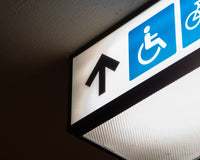
In the United States, the Americans with Disabilities Act (ADA) sets standards for accessible design in public accommodations and commercial facilities. While the ADA itself does not explicitly require baby changing stations in all restrooms, its guidelines do specify how companies must install to ensure accessibility when provided. For example, a changing table, in both its open and closed positions, must not obstruct the accessible route or clear floor space required for individuals who use wheelchairs. This requirement means that businesses must carefully plan the placement and design of a commercial changing table to comply with ADA standards for accessible restroom design.
The Clear Need for Action
The necessity of baby changing stations in every public restroom is undeniable. These facilities are fundamental to providing a safe, convenient, and inclusive environment for parents and caregivers. For businesses, installing a changing station is a strategic investment that fosters customer loyalty, attracts the family market, and builds a positive brand reputation. With a growing number of jurisdictions enacting laws that mandate these amenities, compliance is also a matter of legal responsibility. By thoughtfully integrating changing stations into their restrooms, establishments can support the well-being of families and demonstrate a genuine commitment to serving their entire community.