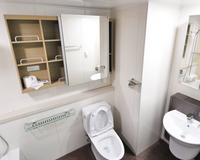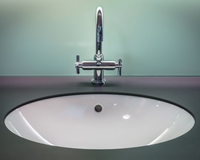

A commercial restroom does more than offer a place to wash hands or take a quick break. It shapes how visitors, employees, tenants, and customers experience a building. When a restroom is easy to enter, move through, and use, people notice the care behind the space.
ADA compliance plays a major role in that experience. It helps businesses create restrooms that support people with different mobility needs, reach ranges, and physical limitations. It also helps property owners, contractors, and facility managers avoid costly layout mistakes during construction or renovation.
Commercial restrooms need more than attractive finishes and durable fixtures. They need clear floor space, accessible routes, proper hardware placement, and products that work well under daily use. When teams plan those details early, they build restrooms that serve more people with fewer problems. Explore the ADA compliance essentials for commercial restrooms.
Know the Purpose Behind ADA Standards
The Americans with Disabilities Act sets accessibility expectations for public accommodations, commercial facilities, and many state and local government spaces. The standards focus on usability, not just appearance. A restroom may look spacious and modern, yet poor fixture placement can still limit access.
ADA restroom planning considers how someone approaches a door, turns within the room, transfers to a toilet, reaches accessories, uses the sink, and exits safely. Each detail connects to the next. A grab bar, mirror, dispenser, or hand dryer can create a problem if it is placed outside the required reach range or blocks clear floor space.
Facility teams should treat ADA compliance as part of the design process from the outset. Retrofitting after installation can cost more, delay openings, and frustrate everyone involved. Early coordination among architects, general contractors, suppliers, and facility managers keeps the project cleaner and more efficient.
Create a Clear Accessible Route
An accessible restroom starts before a person reaches the toilet compartment. The route to the restroom needs enough width for wheelchair users and people using mobility devices. Doorways, thresholds, handles, and turning areas all affect how easily someone can enter and move through the room.
Door hardware should support one-handed operation without requiring tight grasping, pinching, or twisting. Lever-style handles usually work better than knobs in commercial settings. Doors also need adequate maneuvering clearance so users can approach, open, pass through, and close the door without awkward positioning.
Inside the restroom, fixtures and accessories should not intrude into required clearances. A trash receptacle, floor-standing dispenser, or decorative fixture can create an obstacle even when the room layout appears compliant on paper. Teams should review the fully installed restroom, not just the architectural drawing.

Plan Toilet Compartments Carefully
Accessible toilet compartments need enough space for approach, turning, and transfer. The toilet location, stall depth, partition layout, door swing, and accessory placement all affect usability. A compartment that misses one key measurement can create major access problems.
The toilet should sit in the correct position relative to the side wall so users can transfer from a wheelchair. The flush control should sit on the open side whenever possible so users can reach it without stretching across the toilet. Toilet paper dispensers should sit within reach and avoid conflict with grab bars.
Contractors should verify field conditions before final installation. Wall thickness, tile buildup, partition hardware, and fixture dimensions can reduce usable space. Even a small change can affect compliance, so teams should confirm measurements after the finishes are in place.
Use Grab Bars the Right Way
Grab bars give users stability during transfers, sitting, standing, and repositioning. In accessible toilet areas, the ADA Standards call for specific placement along the side wall and rear wall. The bars need proper length, height, spacing from the wall, and structural support.
Commercial grab bars should do more than meet dimensional requirements. They should withstand heavy use, frequent cleaning, and long-term exposure to restroom moisture. Stainless steel options often suit commercial restrooms well because they offer strength, cleanability, and a professional appearance.
Installers should anchor grab bars into suitable backing, not just into wall tile or thin panels. A grab bar that loosens under pressure poses a safety risk and damages the surrounding wall. Proper blocking and careful installation help the bar perform as intended over time.
Place Sinks for Reach and Clearance
Accessible lavatories need proper height, knee clearance, toe clearance, and clear floor space. Users should approach the sink and use the faucet without unnecessary strain. Pipes under the sink also need protection so users do not contact sharp or hot surfaces.
Faucets should allow easy operation. Sensor faucets can help reduce touchpoints, but they still need reliable activation. Lever, push, and touchless options can all work when the product suits the space, and users can operate it without tight grip strength.
Countertop design also deserves attention. A sleek counter can cause problems when it blocks knee clearance or places soap too far back. The sink, faucet, soap dispenser, and hand drying option should work as a single user-friendly zone.
Keep Mirrors and Accessories Within Reach
Restroom accessories can create compliance issues when teams treat them as afterthoughts. Mirrors, soap dispensers, paper towel dispensers, hand dryers, waste openings, coat hooks, shelves, and sanitary product dispensers all need thoughtful placement.
Accessible mirrors should serve seated and standing users. The reflective surface needs a low enough bottom edge for wheelchair users to see themselves comfortably. A mirror mounted too high may look balanced above a counter, but it can fail the people who need it most.
Dispensers should sit within accessible reach ranges and allow simple operation. Users should not need to twist, grip tightly, or pull with excessive force. Accessories also should not project into circulation paths in ways that create hazards for people with limited vision.
Choose Hardware That Holds Up
ADA compliance and durability should work together. Commercial restrooms face heavy traffic, cleaning chemicals, moisture, vandalism, and constant use. Products that meet access requirements but fail quickly create maintenance headaches and budget strain.
Facility managers should look for restroom hardware with strong materials, clean seams, tamper-resistant features, and replacement part availability. Durable products help maintain compliance because loose accessories, broken dispensers, and missing components can affect access.
Choice Builder Solutions focuses on hardware items for commercial restrooms, including ADA-compliant products for projects across the country. That type of product knowledge helps contractors and facility teams select parts that fit both the code requirements and the real-world use of the space.

Think About Clear Floor Space
Clear floor space allows users to position mobility devices and approach fixtures. Restrooms need clear areas near toilets, sinks, dispensers, hand dryers, and other elements that users must reach. A compliant product can still pose a problem if installed in the wrong location.
Trash cans often create issues in finished restrooms. A freestanding receptacle near a sink may block knee clearance or access to a dispenser. Floor signs, storage bins, and cleaning supplies can also reduce usable space during daily operations.
Managers should train maintenance teams to keep accessible routes and clear floor areas open. A restroom can pass inspection after construction and lose function later because staff place movable items in the wrong locations. Good operations protect the design investment.
Coordinate Products Before Installation
Successful ADA restroom projects depend on coordination. Architects may specify the layout, general contractors may manage installation, and facility managers may select accessories or replacement parts. Each person needs accurate product dimensions before work begins.
Submittals can help teams confirm mounting heights, projection limits, anchoring requirements, and clearances. Product cut sheets should match the exact items used on-site. Substitutions require careful review because a similar-looking dispenser, mirror, or grab bar may have different dimensions.
Coordination also helps avoid conflicts between accessories. A toilet paper dispenser should not interfere with a side grab bar. A hand dryer should not sit where a wheelchair user cannot reach it. A mirror should not conflict with lighting, backsplash height, or sink placement.
Build Restrooms People Can Use With Confidence
ADA compliance gives commercial restrooms a stronger foundation. It pushes teams to consider real movement, real reach, and real use rather than focusing solely on finishes. When builders and facility managers get the details right, the restroom feels more comfortable, practical, and dependable for everyone.
The best commercial restroom projects combine compliant layouts, durable hardware, and smart installation. They give people room to move, provide support where needed, and include accessories they can reach without frustration. They also help property owners protect their investment through better planning and fewer corrective changes.
A restroom may take up a small part of a building, but it can shape a major part of the user experience. With careful product selection and a clear understanding of ADA essentials, commercial teams can create restrooms that perform well from opening day through years of daily use.